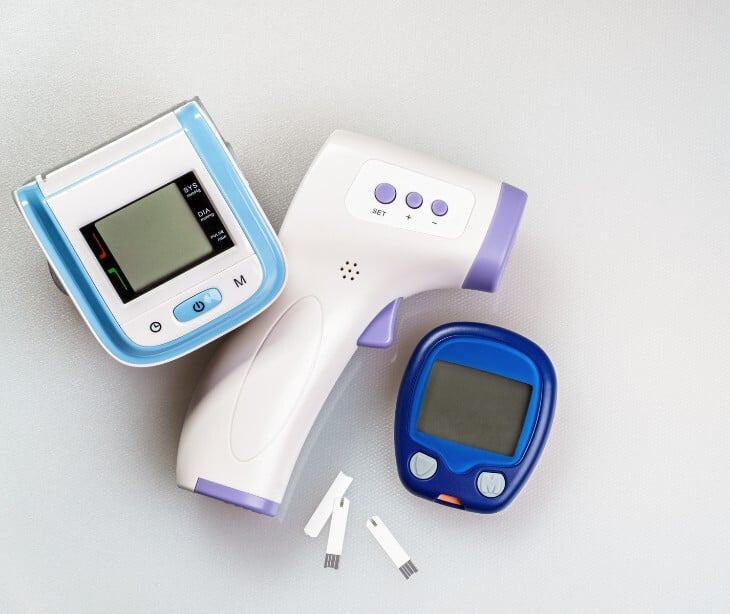
The new framework aims to clarify cybersecurity responsibilities between healthcare delivery organizations and device manufacturers.
What happened
The Health Sector Coordinating Council published Version 2 of its Model Contract Language for MedTech Cybersecurity to help healthcare delivery organizations and medical device manufacturers align on cybersecurity expectations during procurement and contracting. According to a report from Industrial Cyber, the updated framework incorporates industry feedback and reflects recent regulatory changes that affect medical device security requirements.
Going deeper
Medical devices used in clinical environments must meet safety obligations under FDA oversight and must also support the technical safeguards required under the HIPAA Security Rule. HSCC noted that cybersecurity responsibilities have often been unclear in contracts, especially when device makers differ in their security maturity, and healthcare organizations vary in their risk expectations. The revised model language was informed by comments from device makers, health systems, purchasing groups, and security specialists. Version 2 updates definitions, clarifies shared responsibilities, aligns terms with the current regulatory framework, and streamlines language to reduce negotiation delays.
What was said
HSCC stated that misalignment between healthcare delivery organizations and device manufacturers can lead to inconsistent use of cybersecurity controls and gaps that affect both safety and operational resilience. The council said the updated framework is intended to support predictable and transparent negotiations by outlining expectations for product security, vulnerability management, data handling, and lifecycle support. The document can be used as a standalone agreement or added to existing contracts such as business associate agreements, service agreements, or procurement requests.
The big picture
Medical device cybersecurity remains a growing priority for regulators and health systems as more connected devices become part of routine patient care. The U.S. Food and Drug Administration notes that cybersecurity is necessary to keep devices “safe and effective,” and says protections must be maintained “throughout the device lifecycle.” As reliance on connected technologies expand, regulators and health organizations continue to focus on clear expectations and shared responsibilities to keep clinical environments secure.
FAQs
Why is contract language important for medical device cybersecurity?
Contract terms determine responsibilities for patching, support, vulnerability reporting, and lifecycle security, which influence how well devices remain protected once deployed.
How does Version 2 differ from the original model?
It incorporates user feedback, updates regulatory references, clarifies shared responsibilities, and simplifies terms to speed up procurement and reduce ambiguity.
Can healthcare organizations adopt the framework without major revisions?
Yes, it is designed as a flexible template that can be used as written or adapted to match an organization’s procurement policies and risk management processes.
When do device makers typically become involved in cybersecurity discussions?
During procurement and contracting, expectations for configuration, updates, monitoring, and data handling must be documented before deployment.
Does the model contract address legacy devices?
It includes provisions that organizations can use to negotiate support expectations, documentation requirements, and security commitments for older devices still in service.
 Farah Amod