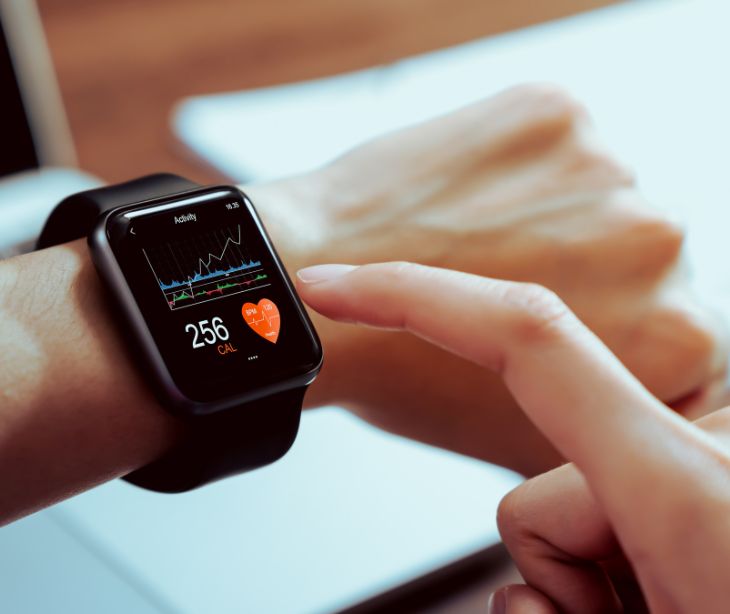
Mobile health (mHealth) is the use of mobile devices such as smartphones, tablets, and wearable technologies in healthcare delivery and management. It encompasses a variety of applications, including remote patient monitoring, telemedicine, health education, and mobile health apps. HIPAA establishes the standards for safeguarding patients' protected health information (PHI) when using mobile devices and apps for healthcare purposes. This includes ensuring encryption, access controls, and secure data transmission protocols to protect PHI and comply with HIPAA regulations.
What is mHealth?
Mobile health refers to the use of mobile devices such as smartphones, tablets, and wearable technologies in healthcare delivery. It encompasses applications including remote patient monitoring, telemedicine, health education, and mobile health apps.
In simpler terms, mHealth involves leveraging mobile technologies to facilitate healthcare delivery, monitoring, and management. This includes using smartphones, tablets, and wearable devices to track health metrics, communicate with healthcare providers, and access medical information and services remotely.
Related: What is a mobile health system?
HIPAA compliance in mHealth
The HIPAA Security Rule requires safeguards for electronic PHI including in mHealth, ensuring data confidentiality, integrity, and availability. According to the HHS, "covered entities must Ensure the confidentiality, integrity, and availability of all e-PHI they create, receive, maintain or transmit.". The HIPAA Privacy Rule governs the use and disclosure of PHI and is also applicable to mHealth, requiring patient consent and protection of their privacy rights. Both rules enforce compliance to safeguard patient information in mobile health practices.
Healthcare providers and organizations must comply with HIPAA standards to protect patient privacy, reduce the risk of data breaches, and avoid potential legal and financial consequences. Adhering to HIPAA guidelines ensures that PHI is handled securely, with measures in place to authenticate users, encrypt data, and maintain the integrity and confidentiality of sensitive health information. Healthcare professionals can build trust with patients, improve data security practices, and meet regulatory standards in the changing landscape of digital healthcare by prioritizing HIPAA compliance in mHealth initiatives.
Business associates and business associate agreements (BAAs) in mHealth
Business associates are third-party vendors or entities that handle PHI on behalf of covered entities, such as healthcare providers or health plans. These entities can encompass various stakeholders, including cloud storage providers, data analytics firms, and developers of mHealth applications. Given the sensitive nature of healthcare data in the mobile health landscape, covered entities must establish formal business associate agreements (BAAs) with these external partners. These agreements delineate the roles and responsibilities of each party in safeguarding PHI, ensuring compliance with HIPAA regulations, and upholding the security and confidentiality of patient information within the context of mHealth initiatives.
Considerations for healthcare organizations
Before implementing mHealth tools:
- Conducting a HIPAA risk assessment: Before implementing mHealth tools, healthcare providers and organizations should conduct a thorough HIPAA risk assessment to identify potential vulnerabilities and risks associated with specific mHealth tools. This assessment helps identify areas where PHI security measures may need to be strengthened to ensure compliance with HIPAA regulations.
- Selecting HIPAA compliant mHealth tools: Healthcare providers should choose mHealth tools that meet HIPAA compliance standards, including encryption, access controls, and secure data transmission protocols. Verify that these tools have undergone rigorous security testing and adhere to industry best practices for safeguarding PHI.
During mHealth implementation and use:
- Providing HIPAA training for staff: Healthcare organizations should provide HIPAA training for staff members involved in using mHealth technologies. This training should cover HIPAA requirements, best practices for protecting patient privacy and data security, and procedures for handling PHI in compliance with HIPAA regulations.
- Obtaining clear and informed patient consent: Before collecting or sharing PHI through mHealth tools, healthcare providers should obtain clear and informed consent from patients. Patients should understand how their information will be used, stored, and disclosed, as well as their rights regarding the protection of their PHI.
- Implementing data security protocols: Healthcare organizations should implement strong data security protocols for mHealth use, including encryption, access controls, and secure data transmission protocols. Mobile devices used for mHealth purposes should be secured with strong passwords and encryption to prevent unauthorized access to PHI.
- Monitoring and auditing mHealth practices: Healthcare providers should monitor and audit mHealth practices regularly to ensure compliance with HIPAA regulations. This includes reviewing access logs, conducting security assessments, and promptly addressing any identified vulnerabilities or areas of noncompliance.
Security risks in mHealth
A review of developments in privacy and data ownership in mobile health technologies found that "recent literature demonstrates that the security of mHealth data storage and transmission remains of wide concern.". While mobile health offers significant benefits for healthcare delivery, it also brings forth inherent security risks that healthcare providers and organizations must diligently address:
- Data breaches: Using mobile devices and applications to collect, store, and transmit patient health information elevates the risk of data breaches. Unauthorized access to sensitive health data can result in privacy violations, identity theft, and financial fraud, undermining patient trust and organizational reputation.
- Device vulnerabilities: Mobile devices are vulnerable to malware, viruses, and other security threats that can compromise the integrity of patient data. Unsecured devices pose a significant risk to the confidentiality and availability of healthcare information stored on them. That requires robust security measures to protect against unauthorized access and data compromise.
- Unsecured communication channels: Transmitting patient health information over unsecured communication channels, such as public Wi-Fi networks or insecure messaging platforms, exposes PHI to interception and unauthorized access. Encrypting data during transmission and implementing secure communication protocols are vital to mitigating this risk.
- Insufficient authentication measures: Weak authentication mechanisms, such as simple passwords or the absence of multi-factor authentication (MFA), increase the likelihood of unauthorized access to mHealth applications and patient data. Strengthening authentication measures and implementing MFA can enhance security and prevent unauthorized access.
- Insecure data storage: Storing patient health information on mobile devices without adequate encryption or access controls poses a significant security risk. In the event of device theft or loss, unsecured data may be compromised, leading to breaches of patient privacy and regulatory noncompliance. Implementing encryption and access controls for stored data mitigates this risk.
- Third-party risks: Collaborating with third-party vendors or developers of mHealth apps introduces additional security risks, including data breaches and unauthorized access to PHI. Healthcare providers must ensure that third-party vendors adhere to stringent security standards and implement robust security measures to protect patient data.
Tips for defending against mHealth security risks
- Be cautious about providing personal or financial information in response to emails or messages, especially if they appear suspicious.
- Independently verify requests for personal information by contacting the sender or visiting their official website through trusted means.
- Promptly report any phishing attempts or suspicious emails to the appropriate IT or security group within your organization to raise awareness and protect others from potential threats.
FAQs
How can healthcare providers keep patient data safe in mobile health?
Healthcare providers can implement encryption for data at rest and in transit, use secure authentication methods such as biometrics or token-based authentication, and regularly update mobile devices and applications to patch security vulnerabilities.
What should I do to ensure mHealth app security?
Healthcare organizations can vet mHealth apps for HIPAA compliance, evaluate the app's security features and data encryption protocols, and guide staff and patients on selecting secure and reputable mHealth apps from trusted sources.
Are there special rules for using wearables and fitness trackers in healthcare?
While HIPAA regulations primarily apply to covered entities and business associates handling PHI, healthcare providers should ensure that any data collected from wearables or fitness trackers is securely managed and integrated into the patient's electronic health record (EHR) in compliance with HIPAA standards.
What steps should healthcare take if there's a security breach in mHealth data?
In the event of a security breach involving mHealth data, healthcare organizations should promptly notify affected individuals, report the breach to the appropriate regulatory authorities, conduct a thorough investigation to identify the root cause, and implement corrective actions to prevent future breaches.
How can healthcare providers teach patients to protect their health data in mobile apps?
Healthcare providers can educate patients about the importance of selecting secure mHealth apps from reputable sources, safeguarding their mobile devices with strong passwords or biometric authentication, and being cautious about sharing sensitive health information over unsecured communication channels.

 Tshedimoso Makhene : Feb 18, 2025 6:00:17 AM




%20-%202025-01-08T110958.529.jpg)