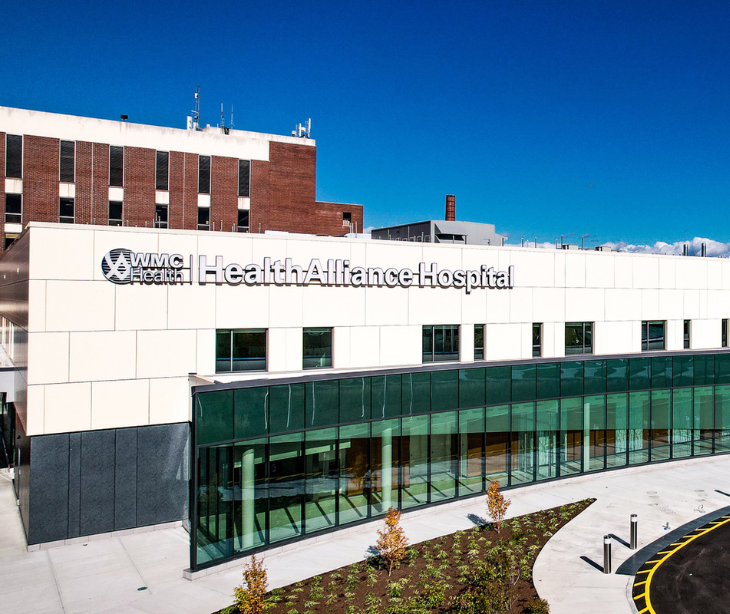
A year-old cyberattack at a major New Jersey hospital system has come to light, revealing that Social Security numbers and personal data were stolen.
What happened
Cooper Health System, also known as Cooper University Health Care, experienced a cyberattack in 2024 that exposed the personal identifiable information (PII) of over 57,000 individuals. Although the breach occurred sometime last year, Cooper only became aware of suspicious activity in May 2024 and began investigating the incident. The exposed environment was secured shortly after.
The healthcare provider hired a third-party cybersecurity firm to investigate, but the review took nearly ten months to complete. Notifications to impacted individuals were sent soon after the review.
Going deeper
According to the breach report filed with the Maine Attorney General’s Office, exposed data included full names and Social Security numbers. These identifiers are particularly sensitive because they can be combined with other data, such as driver's license numbers, for identity theft or fraud.
Cooper stated in its notification that it is offering free credit and identity monitoring services to individuals whose Social Security numbers were affected. The organization is also implementing additional security protocols to reduce the risk of future incidents.
Cooper is a significant healthcare provider in the region, reporting 2.4 million outpatient visits and over $2.4 billion in operating revenue in 2024.
What was said
In its breach notification, Cooper stated its commitment to improving cybersecurity by deploying more rigorous protocols. The health system also acknowledged the sensitivity of the stolen data and is working to assist affected individuals through credit and identity protection services.
The big picture
The Cooper Health System breach draws attention to the delays that can occur between the detection, investigation, and public disclosure of healthcare cyber incidents. As health systems remain frequent targets for attacks involving sensitive personal data, a timely response and notification are necessary to minimize the impact and maintain patient trust. Ongoing vigilance is required to prevent breaches, ensure swift communication, and mitigate when incidents take place.
FAQs
Why do healthcare data breaches take months to disclose?
Healthcare breaches often require lengthy forensic investigations to determine exactly what data was accessed, how the breach occurred, and which individuals were affected. Legal and regulatory requirements also influence the timing of public disclosures.
What makes Social Security numbers especially risky in data breaches?
Unlike passwords, Social Security numbers can't easily be changed. Once exposed, they can be used indefinitely for identity theft, credit fraud, and even tax-related scams.
How does a breach like this impact patients long-term?
Even if no fraud occurs immediately, exposed patients remain vulnerable for years. Stolen data can be sold on the dark web and used to create fake identities or open unauthorized accounts.
Are delayed notifications common in healthcare cyber incidents?
Yes, delays are unfortunately common. Healthcare organizations often struggle with outdated systems, complex investigations, and strict regulatory requirements, all of which contribute to slower disclosures.
What should affected individuals do beyond the free monitoring offer?
In addition to enrolling in credit monitoring, affected individuals should regularly check their credit reports, consider placing a fraud alert or security freeze, and remain vigilant for phishing attempts or suspicious account activity.




 Farah Amod : Oct 7, 2025 3:15:16 AM